
Curriculum & Learning Pathways
When content exists but is not organized around a clear sequence, learners do not know where to start. And neither do the people responsible for maintaining it.
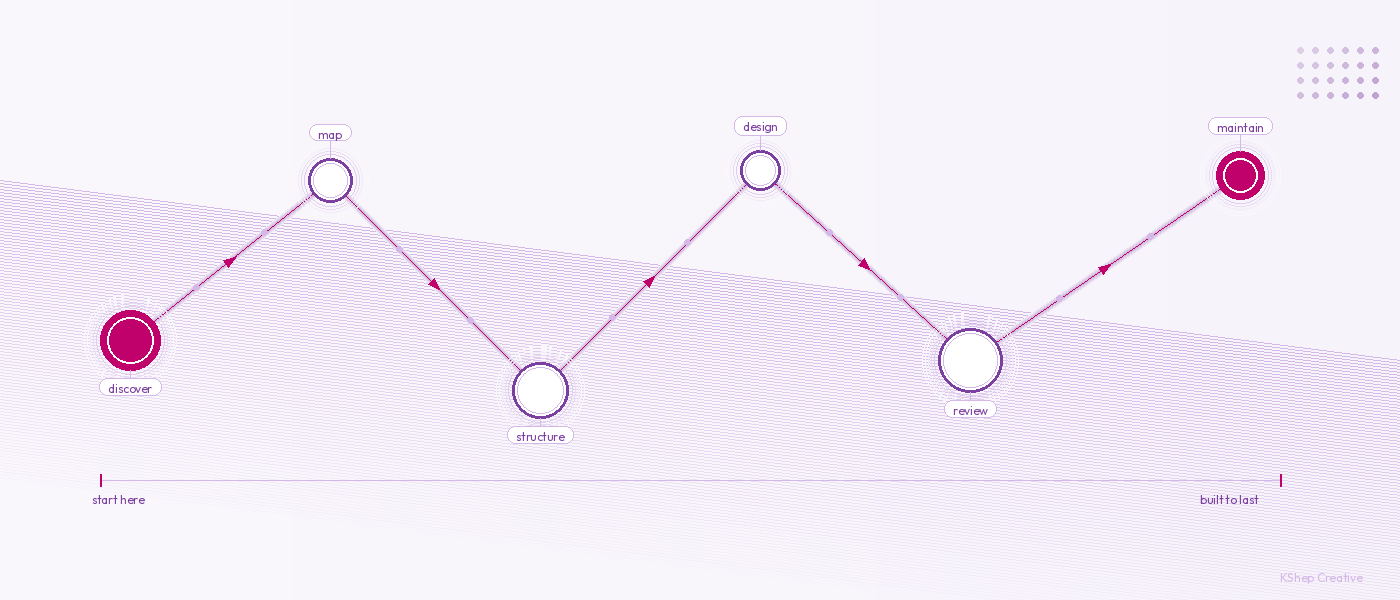
When curriculum is scattered, learning stalls.
Educational organizations build a lot of content. Tutorials, resource libraries, professional development sessions, onboarding guides, vendor training. But when that content is not organized around a clear sequence, a shared vocabulary, or a learner's actual progression, the work does not land the way it should.
I help districts, curriculum teams, and education vendors turn scattered content into structured learning pathways that are coherent, accessible, and built to be maintained over time.
Whether you are mapping a curriculum from scratch, building a vocabulary repository educators can actually use, or organizing a partner training library, I will help you design something that holds together.
Curriculum structure is not a documentation task.
It is the difference between content people move through and content that just exists.
The shift: From Content Collection to Coherent Pathways
A lot of organizations have content. What they are missing is structure.
Good curriculum design makes the sequence visible: what comes first, what builds on what, where the vocabulary is consistent, and how a learner knows progress is being made. It connects what is taught to what learners are expected to do with it.
A learning pathway goes one step further by mapping the full learner journey, including entry points, prerequisites, milestones, and handoffs between roles or phases. It answers a simple question: where does a learner go from here?
Done well, both curriculum and learning pathways are:
Built around what learners need to know, do, and apply in their context
Organized so educators or contributors can maintain and update them over time
Accessible by design, not retrofitted after the fact
Right-sized for the people who will actually deliver or use them
Designed for Educational Organizations
This service is the right fit when your organization is:
K-12 districts and curriculum teams building or restructuring scope and sequence, unit guides, or learning standards alignment
Education technology vendors and platforms developing partner training libraries, onboarding pathways, or educator-facing tutorials
Education nonprofits and foundations creating professional learning materials, resource repositories, or PD libraries for educator audiences
Curriculum developers and instructional coaches who need a clear structure for content that currently lives across multiple documents, tools, or teams
Program staff supporting educators who need training resources that match different experience levels without requiring a full course build
If you are not sure whether you need a curriculum map, a learning pathway, a vocabulary resource, or a combination, I can help you identify the simplest structure that fits your goals.
How I Build Curriculum and Learning Pathways
Your materials are designed to be understandable, usable, and easy to maintain. Here is how the process works:
Discovery and intake: I identify your audience, learning goals, existing content, tools, and where the current structure breaks down.
Audit and mapping: I review what you have, identify gaps, inconsistencies, and misalignments, and create a picture of where you are starting.
Structure and design: I draft a pathway, map, or resource framework with clear sequencing, consistent vocabulary, and accessible formatting.
Review in short cycles: You get focused review prompts so feedback stays manageable. I minimize meetings and keep asynchronous back-and-forth to a minimum.
QA and accessibility check: Structure, readability, and accessibility are verified before final delivery.
Handoff and maintenance model: You receive editable files, contributor guidelines, and a simple model for keeping the work current.
Curriculum & Learning Pathway Options
Curriculum Map or Scope and Sequence Review
Best for: Teams with existing curriculum or content that needs organization, alignment, or gap analysis.
What you get: A curriculum map or scope and sequence document with standards alignment, sequencing recommendations, and a summary of gaps or inconsistencies.
Learning Pathway Design
Best for: Organizations that want to take learners from point A to point B with a clear, sequenced progression.
What you get: A visual or documented learning pathway with entry points, milestones, prerequisite logic, and notes on how content connects across phases or roles.
Vocabulary Repository or Shared Glossary
Best for: Teams building content across multiple contributors, platforms, or audiences who need consistent language.
What you get: A structured vocabulary repository or glossary with definitions, usage guidance, and a format that works in your existing tools.
Partner Training Library or PD Resource Collection
Best for: Organizations with a partner network, facilitator cohort, or PD program that needs organized, reusable training materials.
What you get: A structured resource library with organized modules or units, clear navigation, and a model for keeping it updated over time.
Educator Tutorial Development
Best for: Vendors, platforms, or programs that need tutorials built for educators, not just general users.
What you get: Tutorials designed around educator workflows, with multiple entry points for different experience levels and accessibility built in.
Template Design and Contributor Standards
Best for: Teams where multiple people create curriculum or learning materials and need consistent structure and quality.
What you get: Improved templates with built-in structure, contributor guidance, and accessibility standards that reduce back-and-forth on revisions.
Not sure what you need yet? Start with a conversation about what you are building. I will recommend the simplest structure that fits your audience, tools, and timeline.
Real Work, Real Context
This service is grounded in real educational contexts. Work I have completed includes:
Curriculum mapping to align content sequences with standards and learner goals
Vocabulary repositories and shared glossaries for consistent language across materials and platforms
Partner training libraries and PD resource collections for educators and program facilitators
Tutorials for educators built to work across different experience levels and tech comfort
Template improvements so contributors can produce content that meets structural and accessibility standards without starting from scratch
Scope and sequence frameworks that show where content lives and how it connects
This work is grounded in practical instructional design: clear objectives, right-sized content, accessible structure, and materials built for the people who will use them.
Client Reviews
Working with Kalin was a fantastic experience! She is highly organized and knowledgeable, and her insights added tremendous value to our process. She was attentive to detail, responsive to last-minute requests, and helped everything run more smoothly. We truly appreciate her contributions and look forward to the opportunity to work with her again in the near future.
Andrea Wilson Vazquez, Raspberry Pi FoundationSee an example of this work in practice: Minnesota Special Education Parent Resource →
Accessibility commitments
(practical, not extra)
Curriculum and learning materials should work for every educator and learner who needs them.
I build materials with:
Clear headings and predictable navigation
Plain language and defined vocabulary
Accessible formats for documents, templates, and resource hubs
Screen-reader-friendly structure
Consistent formatting that reduces cognitive load for contributors and learners
Flexibility for different experience levels and instructional contexts
What working with KShep Creative actually looks like
Accessibility-First
Structure and materials are designed so that more people can participate from the start.
Low Lift for SMEs
Organized processes, structured prompts, and templates that reduce the burden on busy subject matter experts and curriculum teams.
Practical Outcomes
Learning and curriculum design that leads to action, not just documentation.
Transparent Process
You will always know what stage I am in, what is next, and what decisions need your input.
Reusable Assets
Maps, templates, and repositories your team can keep using and updating after the project ends.
Respect for Time
Efficient review cycles that fit real academic calendars and project timelines.
Your Questions, Answered
-
A curriculum map organizes what is taught across a course, unit, or program, showing how content aligns with standards and sequences across time. A learning pathway focuses on the learner's journey, showing how they move from entry-level knowledge to a defined outcome, including prerequisites, milestones, and decision points. Many projects benefit from both.
-
Yes. I often start with an audit of existing materials, identify what is working and what is creating gaps, and build from there. You should not have to throw away content that is already serving your learners.
-
Yes. I can deliver in Google Docs, Word, Notion, Airtable, SharePoint, or LMS-compatible formats depending on your workflow and who needs access.
-
Yes. I can develop contributor templates, style guides, and onboarding resources that help a team produce consistent, high-quality curriculum materials without starting from scratch every time.
-
Yes. I work with vendors, foundations, and platforms that build educator-facing content, including training libraries, tutorials, and partner programs. If your audience is educators, this service is designed with that in mind.
-
I offer both hourly and project-based pricing depending on scope. We agree on deliverables, review cycles, and timeline upfront. If scope changes, I flag it early so there are no surprises.
Pricing
I keep pricing straightforward and scope-aware.
Hourly
$100/hour
Best for: curriculum reviews, vocabulary development, template improvements, and smaller-scope mapping work.
Project-Based
Scoped to the work
For larger curriculum and pathway projects, I can offer a project price when we agree on scope up front (deliverables, review rounds, timeline, and what is included). If the scope changes, I flag it early, and I can adjust accordingly.
Ready to build something that holds together?
If your content exists but is not organized around a clear learner progression, or if your team is creating curriculum without a consistent structure, that is usually the right place to start.