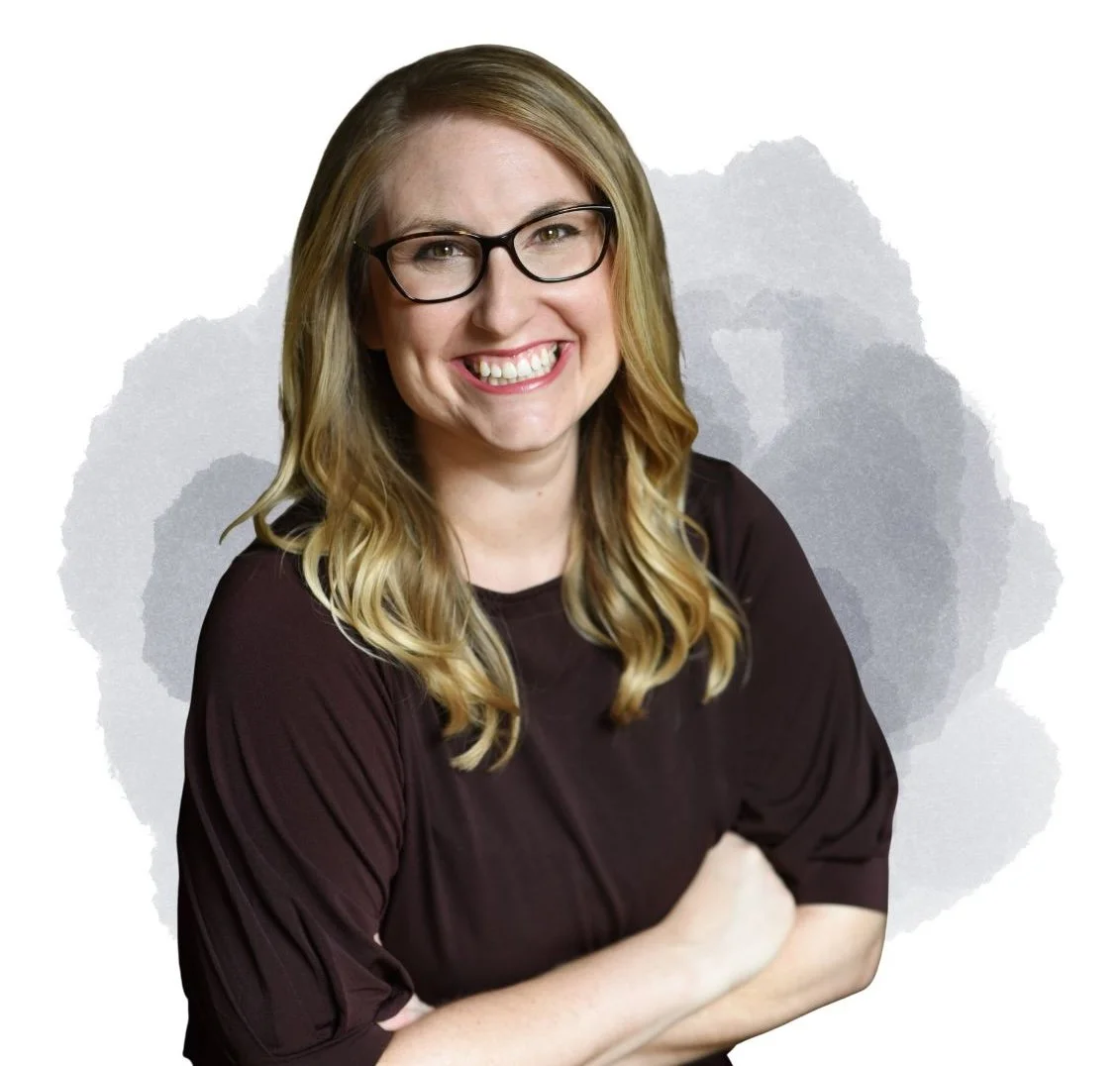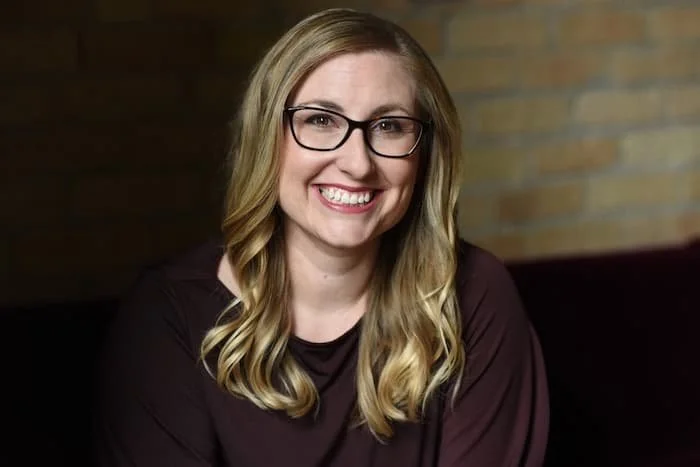
Why KShep Creative
K-12 educators are some of the most capable professionals I have ever worked with. They are also some of the most overstretched. When professional development fails them, it is rarely because they weren't paying attention. It is because the training wasn't built with them in mind.
That's the problem I built KShep Creative to solve.
My path here wasn't linear. It was intentional.
I started as a K-12 special education teacher in St. Paul, then moved into coaching and coordination because I kept wondering how to get the right support to more of the educators who needed it. I already understood the problem from the inside. What those new roles showed me was how pervasive it was. Educators everywhere were carrying the same weight, often without tools or training built to actually help them.
When I moved into instructional design, I found a way to keep making a difference for educators that felt sustainable for everyone. Instead of support that added to their load, I could build things that actually reduced it. Learning that was clear, accessible, and ready when they needed it, not another thing to sit through.
Accessibility has been part of my work since the beginning. My special education background kept student access at the center of everything I did. What evolved was my understanding of digital accessibility specifically. I came to realize that caring deeply about access for students didn't automatically produce digital accessibility competence for the adults building content. When I founded KShep Creative, I named accessibility as a core value and immediately started building the expertise to back it up.
The CPACC certification wasn't a box to check. It was me putting my values on record.
I also serve on the board of Ryley's World, a fitness and wellness center in St. Paul built for people with disabilities, their families, and caregivers. I lead the organization's digital accessibility practice.
How I work
Every project starts with a conversation, not a contract. Before anything is scoped or built, we talk through the problem, the goals, and what success actually looks like for your team. Nothing gets built until we both feel confident about what we're building and why.
From there the process is designed to be low lift for your team. I use structured prompts and flexible review windows so feedback is fast and focused rather than open-ended and overwhelming. I send reminders when things are due because I know how fast priorities shift in a district and I never want the project to stall because something slipped through the cracks.
I don't charge for missed meetings because a student crisis will always be more important than a check-in call and that's exactly as it should be.
Every project includes clear handoff documentation so your team knows exactly what they own, what they can update themselves, and what to do if something needs to change down the road. The goal is never dependency. It's capacity.
I work as an independent consultant. That means no account managers, no handoffs, and no wondering who to call when you have a question. You work with me directly throughout the entire project.
What I bring to your project
I bring more than 10 years of experience in education, rooted in K-12 special education in Minnesota and expanded through formal instructional design training. I hold a CPACC certification from the International Association of Accessibility Professionals, a credential that reflects deep fluency in accessibility standards, disability rights frameworks, and inclusive design practice. My instructional design foundation comes from the MasterTrack Certificate program at the University of Illinois Urbana-Champaign, one of the leading ID programs in the country. I also hold a Minnesota K-12 Teaching License (Tier 4 Academic and Behavior Strategist) and maintain active memberships in ATD and IAAP to stay current in both fields.
Want to understand what CPACC certification means for your specific project? The FAQ breaks it down in plain language →
See the approach in practice
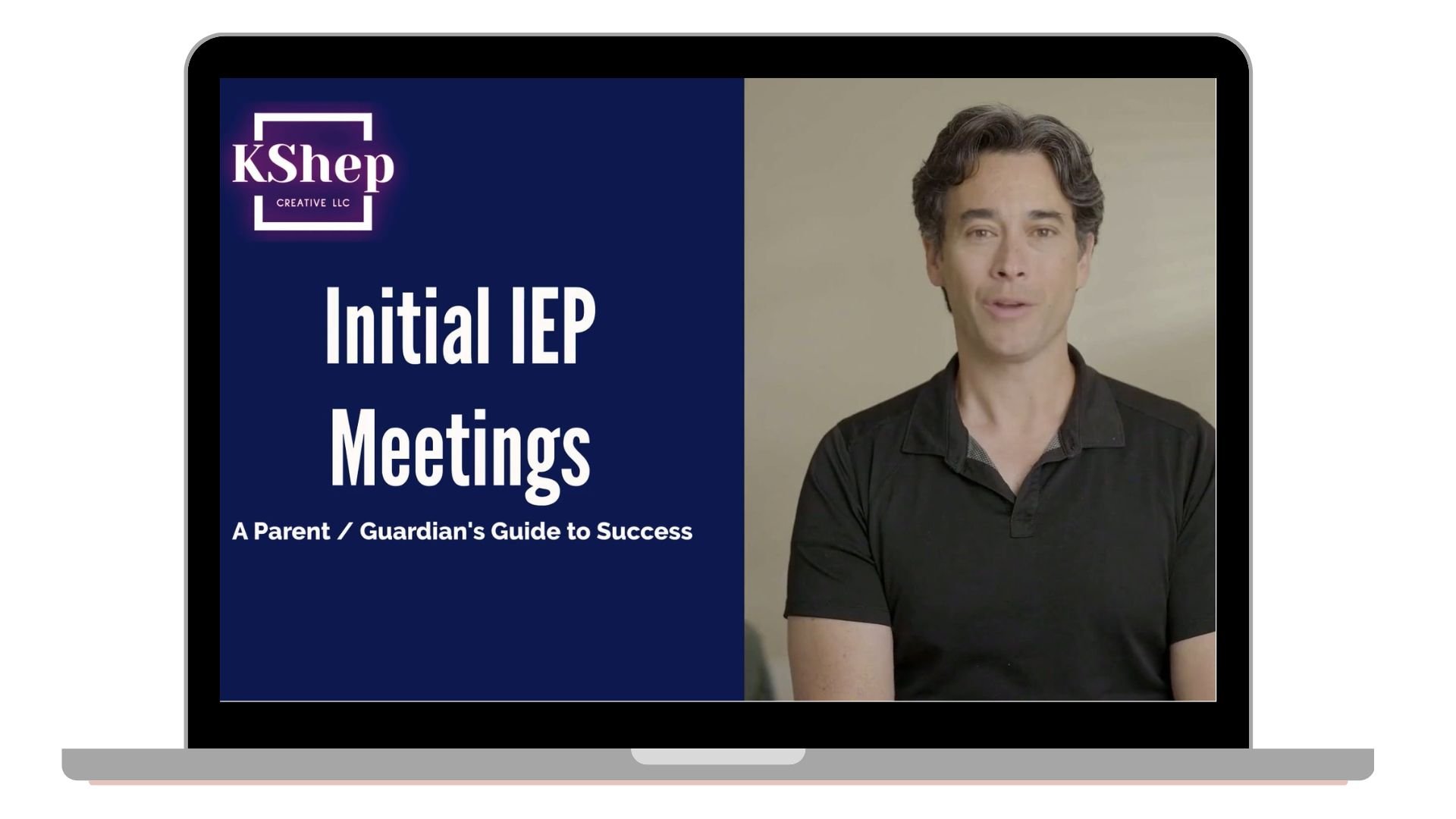
This free parent resource covers 25 special education topics under IDEA and Minnesota rules. It shows what accessible, plain-language curriculum actually looks like when it is built with the end user in mind, not just the content.
Mission
To build learning that actually works for the people it's built for. Not content that gets checked off. Content that respects educators' expertise, fits their reality, and produces results worth pointing to.
Vision
A world where accessible, effective learning is the starting point, not an afterthought. Where educators are treated as the experts they are, and the organizations that serve them invest in tools that reflect that belief.
KShep Creative Values
Accessibility First
Every project begins with a commitment to removing barriers. I design with inclusion in mind so that people of all abilities can learn, grow, and thrive.
Alignment with Purpose
Effective learning happens when content, objectives, and organizational goals are in sync. Every solution I build connects to what your team is actually trying to accomplish, not just what was asked for.
Respect and Collaboration
Learners, subject matter experts, and stakeholders all bring valuable perspectives. I honor their time, expertise, and experiences by building respectful and collaborative processes.
Creativity with Intention
Creativity is more than visual polish. It is the ability to craft tailored solutions that engage learners, simplify complexity, and make the work feel worth doing.
Ready to work together?
If what you've read here feels like the right fit for your organization, the next step is a free 30-minute conversation. We'll talk through your situation, what you're trying to accomplish, and whether KShep Creative is the right partner to help you get there.